
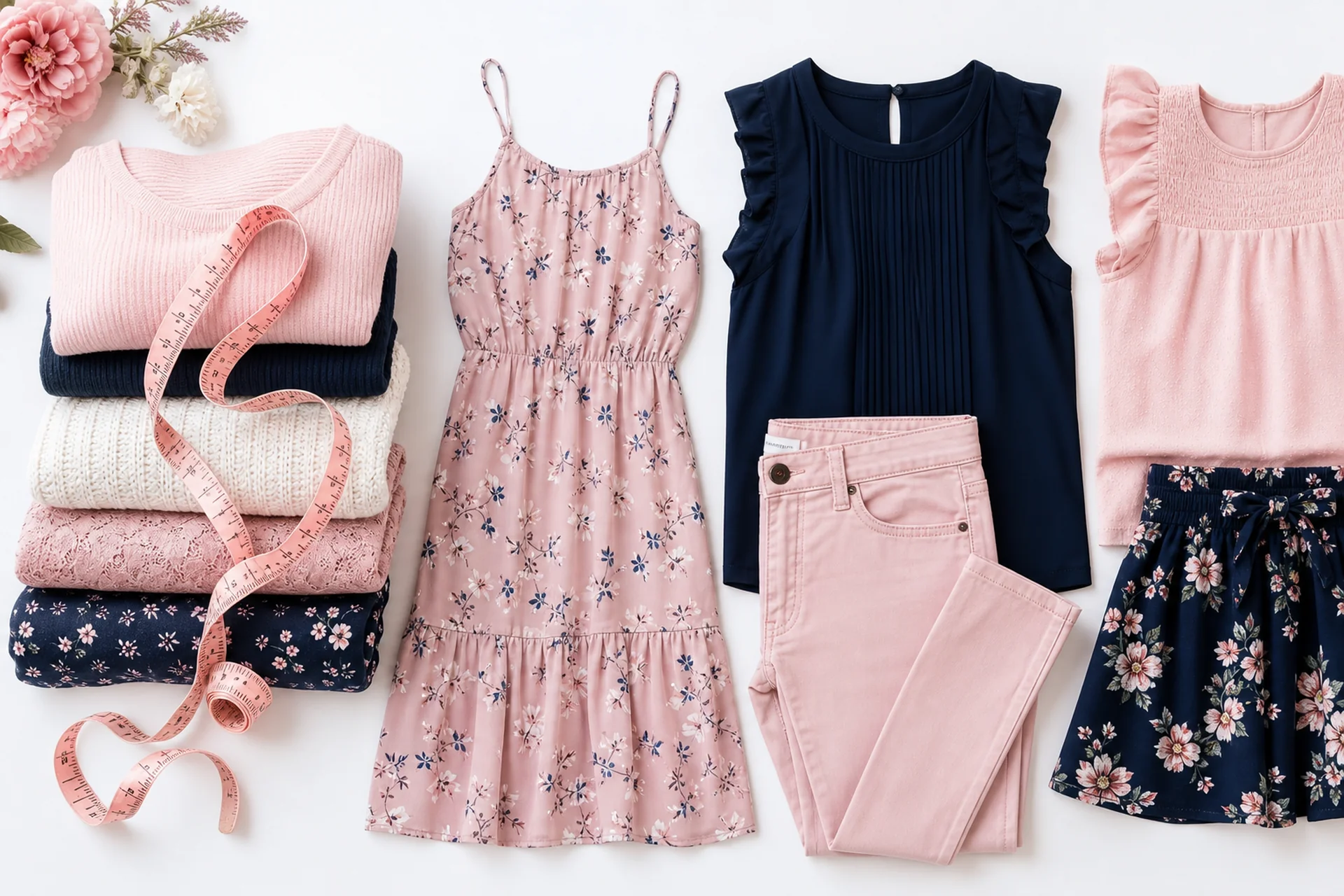
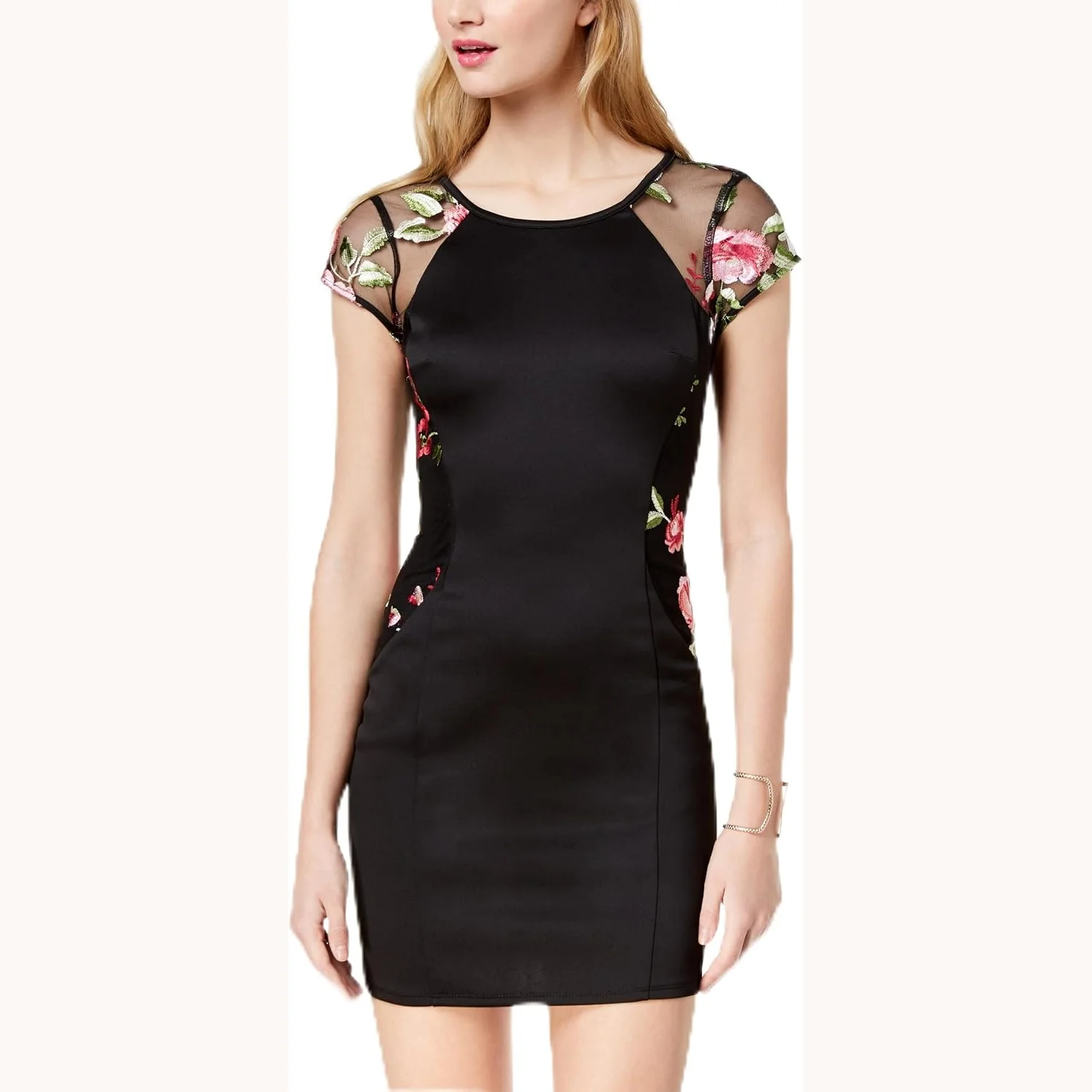
Sizing should feel like a tool, not a guessing game. BCX Clothing uses standard US juniors measurements across dresses, tops, and pants — but fabric stretch and silhouette still change how a label feels on your body. This guide shows the official XS through XL chart, explains how to measure accurately at home, and covers what to do when you land between sizes.
Keep a soft tape measure handy and compare numbers to the tables below before browsing dresses, tops, or pants. Retailer listings sometimes add numeric juniors sizes — map those back to letter sizes using the same bust and hip ranges.
How to measure
Wear light clothing or undergarments only. Stand straight with feet together and breathe normally — sucking in produces sizes that pinch after lunch.
Bust: Wrap the tape around the fullest part of your chest, parallel to the floor. Keep the tape snug without compressing tissue.
Waist: Measure the natural waist where your torso bends side to side — usually the narrowest point above the belly button.
Hip: Stand with feet six inches apart and measure the fullest part of your hips and seat, keeping the tape level front and back.
Juniors size chart
Use this BCX juniors chart as your primary reference. Measurements are body dimensions in inches, not garment flat-lay numbers.
| Size | Bust (in) | Waist (in) | Hip (in) |
|---|---|---|---|
| XS | 31–32 | 24–25 | 33–34 |
| S | 33–34 | 26–27 | 35–36 |
| M | 35–36 | 28–29 | 37–38 |
| L | 37–38 | 30–31 | 39–40 |
| XL | 39–40 | 32–33 | 41–42 |
If your bust, waist, and hip fall into different rows, prioritize the measurement most critical to the garment. Dresses and fitted tops usually follow bust; pants follow hip and waist together.
Dresses and fit
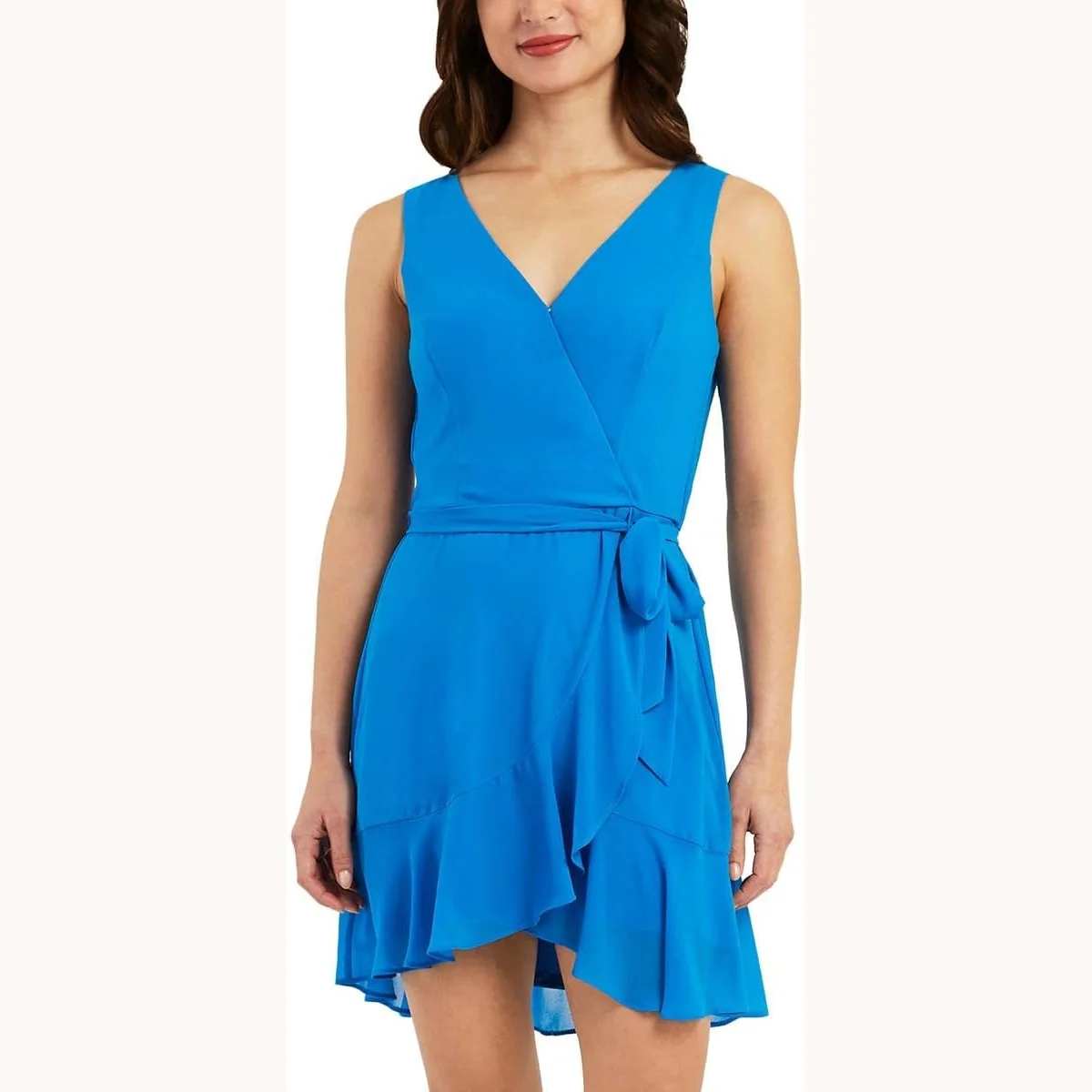
Bodycon and slip styles reward exact bust sizing — stretch helps, but too small strains seams; too large gaps at the straps. Wrap dresses offer more forgiveness because the tie adjusts at the waist independently of bust volume.
A-line and tiered maxi dresses skim hips with ease. If your hips measure at the top of a size range but bust sits lower, many shoppers take the bust-led size and accept a slightly relaxed hip.
Check retailer notes for length — juniors maxis on taller frames may need hemming even when body measurements match the chart perfectly.
Tops and fit
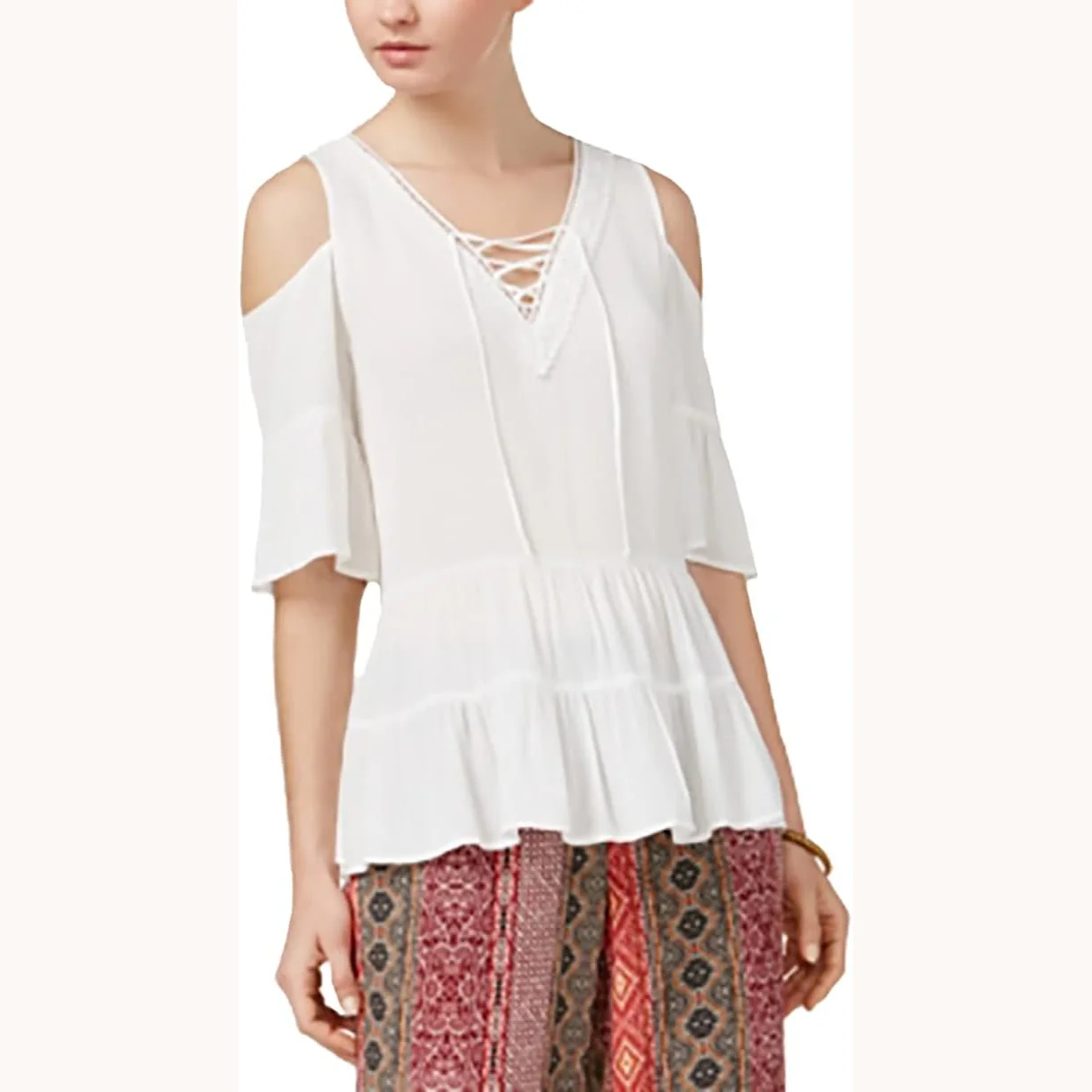
Knit crops and tanks stretch across one or two sizes. Woven blouses with no stretch should match bust closely — size up if you prefer room for layering camisoles underneath.
Halter ties adjust neckline depth but not always bust width. Compare fullest bust to the chart before assuming ties alone will close gaps.
Babydoll tops flare below the bust — petite torsos sometimes size down for shoulder strap alignment while keeping hip room irrelevant to fit.
Pants and fit
Denim and woven pants depend on hip and waist together. If waist is smaller than hip by more than one chart size, expect minor gaping — belts or waist darts solve it without swapping hip fit.
High-waist styles sit at the natural waist measurement row, not where low-rise jeans used to rest. Re-measure if you are used to sizing from hip-hugger brands.
Stretch skinnies tolerate slight variance; rigid cargos and wide-leg wovens need accurate hip sizing for comfortable striding and sitting.
Between two sizes
Size up in non-stretch fabrics and bodycon silhouettes for comfort and longevity — seams last longer without constant tension. Size down in oversized intentional cuts only when you want a closer streetwear proportion.
Read customer reviews for phrases like runs small or true to size — BCX listings on third-party retailers often include shopper consensus that refines the chart.
Order two sizes when return windows allow, especially for event deadlines. Try both with the same shoes and undergarments, then return the loser promptly to avoid restocking delays.
Growth and tracking
Juniors shoppers may still change measurements season to season. Re-measure every few months if clothes suddenly feel different despite the same label — you might have shifted rows without noticing.
Save a notes app entry with date, measurements, and which BCX sizes fit best in each category. Future you shops faster and avoids repeat return trips.
Share chart links with friends borrowing pieces — juniors sizing is consistent enough that swaps work when measurements align within half an inch.
International shoppers
BCX primarily lists US juniors sizing. Convert centimeters to inches by dividing by 2.54 before comparing to the table — rounding down aggressively causes ordering errors.
UK and EU numeric sizes do not map one-to-one to juniors letters. Trust body measurements over converted labels when shopping import listings.
Allow extra time for exchanges on cross-border orders — fit accuracy upfront saves return shipping costs that can exceed the price difference between sizes.
Alterations shortcut
Hemming pants and dresses is affordable and common. Taking in side seams on woven tops costs less than exchanging when only bust is slightly loose.
Stretch garments rarely merit alteration — exchange instead. Non-stretch blouses and tailored trousers justify tailor spend when you love the color and fabric otherwise.
Keep the size tag photo until you are sure — tailors reference original specs when letting out or taking in structured waistbands.
Shop with clarity
Accurate measurements turn the juniors chart into a reliable roadmap — less guessing, fewer returns, better outfits. Bookmark this page, explore category guides when you are ready, and return to the BCX Clothing homepage for styling inspiration across the full collection.